
A Homeowner's Guide to Protecting Your Foundation from Maine's Frost Heaves
The ground in Maine has a way of moving. After a long, cold winter, you might notice a door that suddenly sticks, a new crack in the drywall, or a patio slab that’s no longer level. These aren't just signs of your house settling; they're often the tell-tale symptoms of a powerful, slow-motion force at work: the frost heave. For homeowners across York County, understanding and respecting this natural process is key to protecting your home's structural integrity and avoiding costly repairs.
Frost heaves are more than just a nuisance; they can exert immense pressure on foundations, leading to significant structural damage over time. The good news is that with proper knowledge and proactive measures, you can safeguard your most valuable investment. This guide will walk you through what causes frost heaves, how to spot the warning signs, and the most effective strategies to protect your home's foundation.
What Causes a Frost Heave?
At its core, a frost heave is a simple phenomenon driven by two ingredients Maine has in abundance: water and freezing temperatures. When water in the soil freezes, it expands by about 9%. But the real power of a heave comes from a process called ice segregation.
As the ground begins to freeze from the surface down, ice crystals form. These crystals act like a wick, drawing more water up from deeper, unfrozen soil. This water freezes onto the existing ice, forming layers or “lenses” of solid ice that grow and expand, pushing the soil upward with incredible force. This process is most common in silty or loamy soils, which are excellent at holding and transporting water.
Think of it like a slow, silent hydraulic jack operating under your foundation, deck footings, or driveway. During a deep freeze, this upward pressure can lift parts of your home. Then, as the ground thaws during mud season, the soil settles back down, but not always evenly. This repeated cycle of lifting and settling year after year is what leads to cracks, shifts, and long-term structural problems.
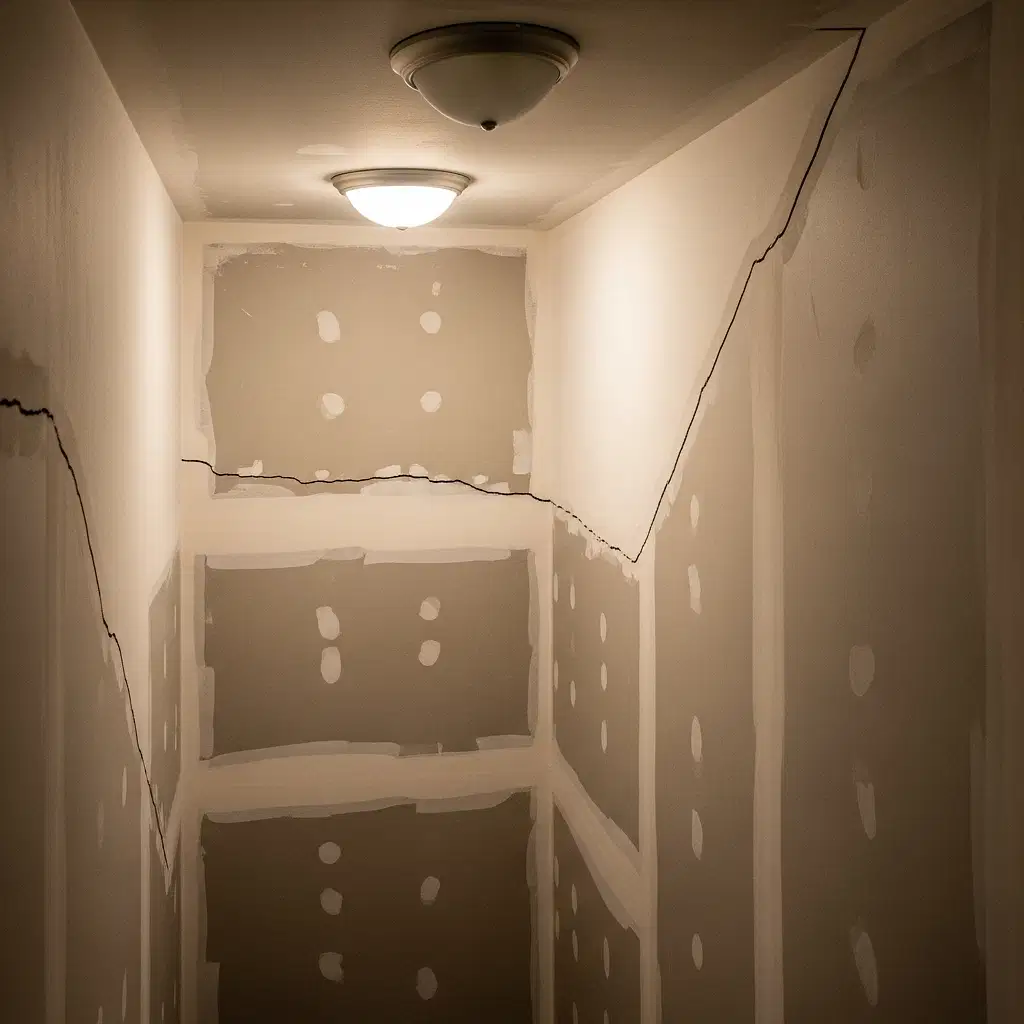
Key Warning Signs of Frost Heave Damage
Catching frost heave issues early is crucial. The longer they are left unaddressed, the more complex and expensive the solution becomes. Keep an eye out for these common warning signs around your property, especially in the late winter and early spring:
- Foundation Cracks: Look for new or expanding cracks in your foundation walls. Vertical cracks are common, but horizontal or stair-step cracks in concrete block or brick foundations can indicate significant pressure.
- Sticking Doors and Windows: If doors or windows that once operated smoothly suddenly begin to stick, jam, or have uneven gaps around their frames, it’s a strong sign that the structure has shifted.
- Sloping Floors: A floor that feels bouncy, uneven, or noticeably sloped can mean the foundation or the support posts beneath it have been lifted or have settled unevenly.
- Interior Wall Cracks: New cracks appearing in drywall or plaster, particularly radiating from the corners of door and window frames, are often caused by stress from foundation movement.
- Heaving Slabs and Posts: Check your garage floor, basement slab, walkways, and patios for cracking and upward bulging. Deck posts that appear to be pushing upward are also a clear indicator of frost heave activity.
Ignoring these symptoms can compromise your home's structural integrity. What starts as a small crack can eventually lead to water intrusion, pest problems, and serious foundation failure. Addressing the root cause is essential for a lasting solution.
Proactive Solutions for a Stable Foundation
Prevention is always the best strategy when it comes to frost heaves. Whether you're planning new construction or protecting an existing home, the goal is the same: manage water and ensure your foundation is properly constructed. Here are the most effective methods:
1. Master Your Drainage The number one defense against frost heaves is to keep water away from your foundation. Less water in the soil means less fuel for ice formation.
- Gutters and Downspouts: Ensure your gutters are clean and that downspouts extend at least 4-6 feet away from your house, discharging water on ground that slopes away from the foundation.
- Proper Grading: The soil around your home should slope downwards and away from your foundation walls for at least 10 feet. This prevents rainwater and snowmelt from pooling near the base of your home.
- Subsurface Drains: For persistent water issues, installing a French drain or other exterior drainage system can be a game-changer. These systems intercept groundwater and channel it safely away from your foundation footings. This is a critical component in managing groundwater, much like a properly installed septic system manages wastewater.
2. Build Below the Frost Line For any structure to be stable, its footings must be placed deep enough in the ground that the soil below them never freezes. In our region of Maine, the frost line is typically at least 48 inches deep. All modern new construction and properly built additions must adhere to this code, but older homes or improperly built structures may have shallow footings that are vulnerable to heaving.
3. Use the Right Backfill When soil is excavated for a foundation, what you put back matters. Using a non-frost-susceptible material like clean, coarse gravel or sand for backfill helps prevent water from being trapped against foundation walls, allowing it to drain away quickly.

Your Partner in Protecting Your Home
Dealing with the aftermath of a tough Maine winter can be daunting, especially when you see signs of foundation damage. While proactive drainage management is key, sometimes professional intervention is necessary to correct existing problems and prevent future issues. Attempting to DIY a structural problem can often lead to bigger, more expensive challenges down the road.
If you've noticed any of the warning signs discussed, the best first step is a professional assessment. At Kinley Enterprises, our core values of communication, integrity, and quality guide every project we undertake. We can help you identify the root cause of the issue and develop a clear, effective plan for any necessary home repairs. From reinforcing foundations to installing comprehensive drainage solutions, we have the expertise to ensure your home rests on solid, stable ground.
Don't let frost heaves compromise your peace of mind. If you're concerned about your foundation, contact the Kinley Enterprises team today for a consultation. Let's work together to keep your York County home safe and secure for many winters to come.